Address
304 North Cardinal
St. Dorchester Center, MA 02124
Work Hours
Monday to Friday: 7AM - 7PM
Weekend: 10AM - 5PM
Address
304 North Cardinal
St. Dorchester Center, MA 02124
Work Hours
Monday to Friday: 7AM - 7PM
Weekend: 10AM - 5PM
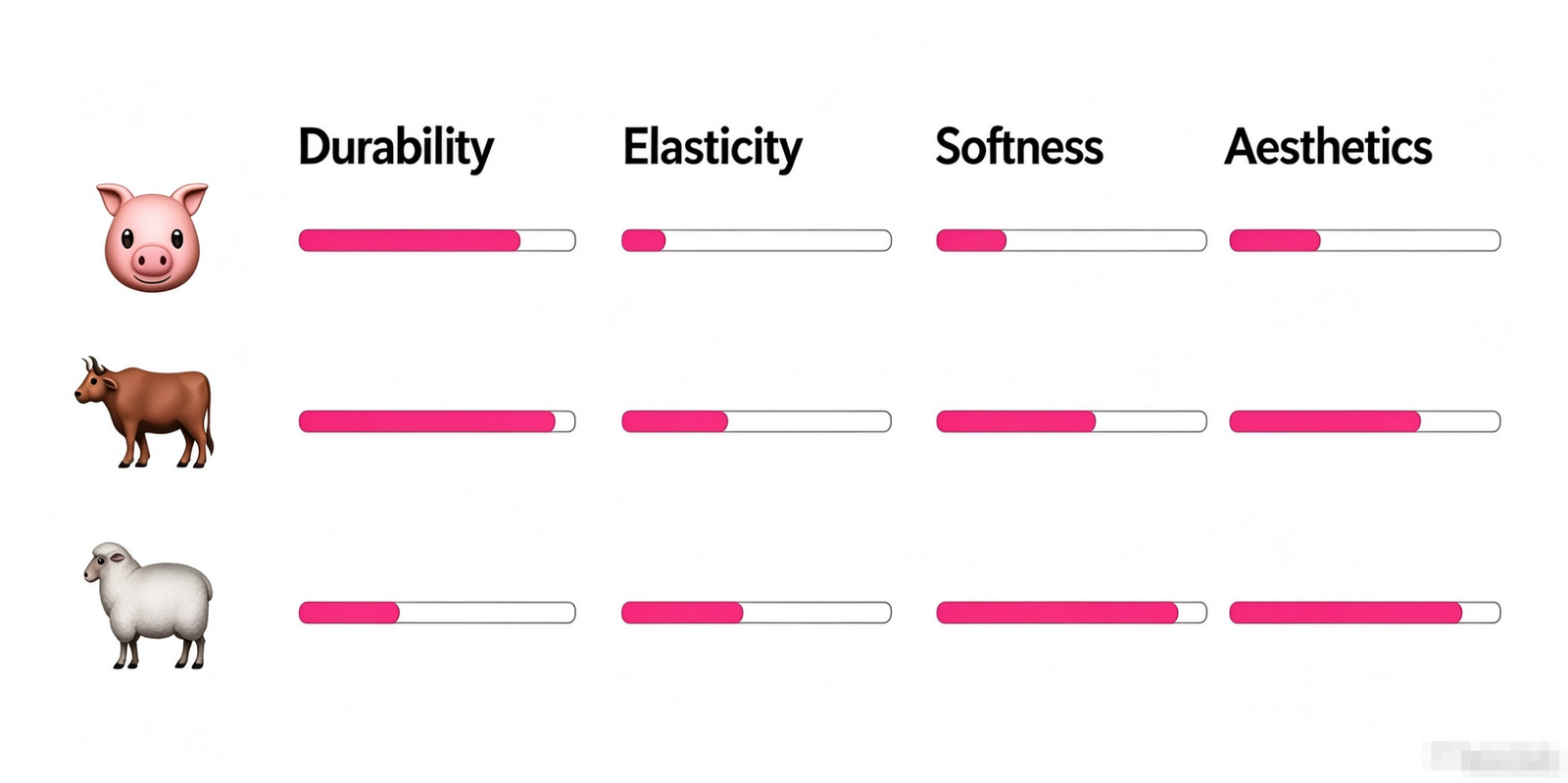
When shopping for premium handbags, many buyers only focus on style, hardware or brand names. Yet leather material defines how your bag feels, how long it lasts, and how it ages over years of use. Iconic pieces such as the LV Neverfull, Hermes Birkin, Gucci Marmont, and Chanel handbags all rely on carefully-selected hides to deliver their signature look. Among all natural hides available on the market, pig leather, cow leather and sheep leather are by far the most widely-used materials for everyday and luxury-style bags.
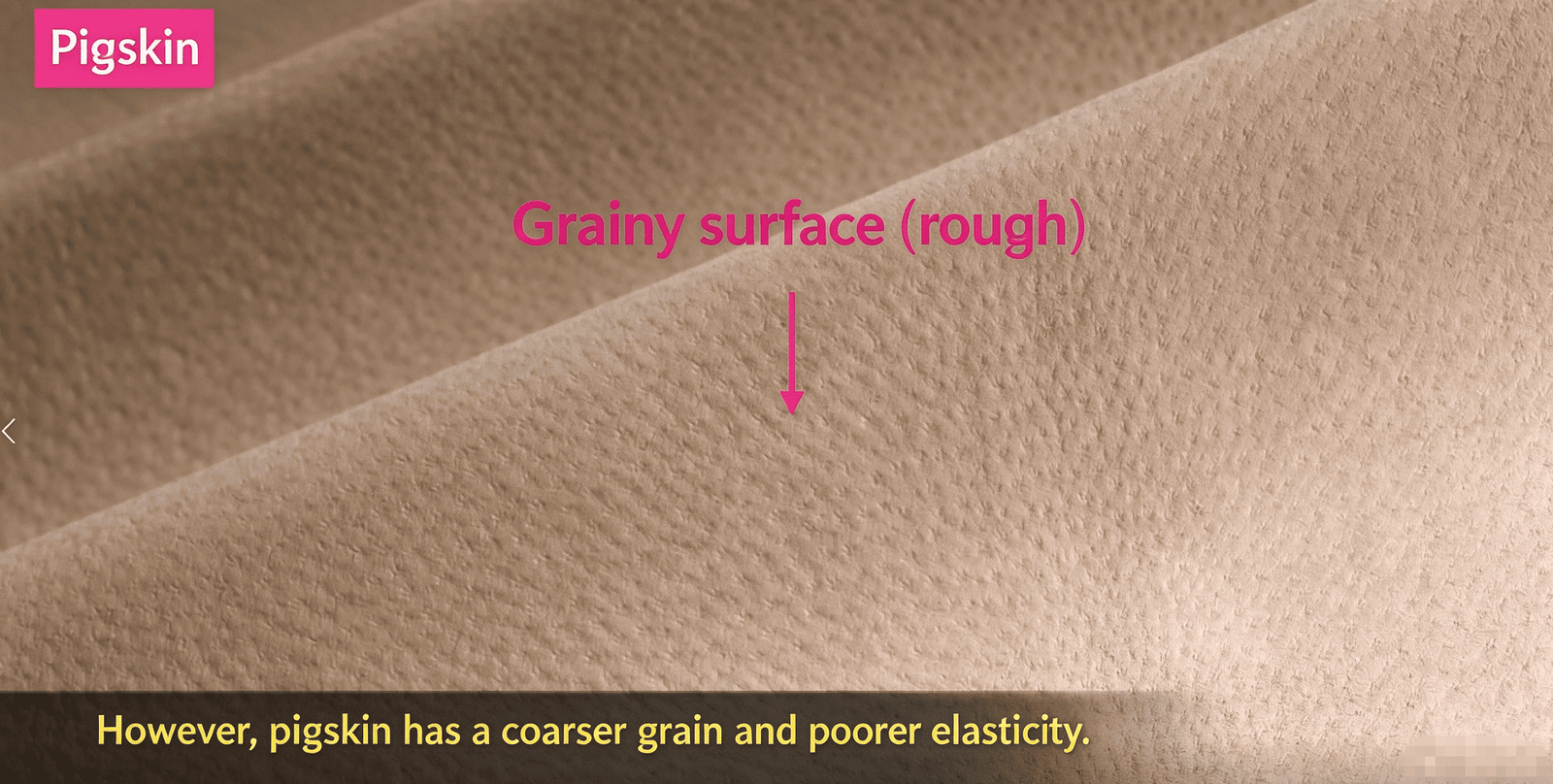
Pig leather is practical, affordable natural leather best-known for outstanding breathability. You can spot pig leather easily from its distinct pore structure and relatively coarse grain surface. While durable against tearing, pig leather tends to feel stiffer compared with cow or sheep hide.
For these reasons, pig leather rarely serves as exterior material for high-end bags. It is more frequently used as lining inside designer handbags and shoes. Its great air-permeability keeps the interior fresh, even during long-time daily carry. If you pick up a wallet or tote and notice a breathable, firm lining, there is a good chance it is made of pig leather.
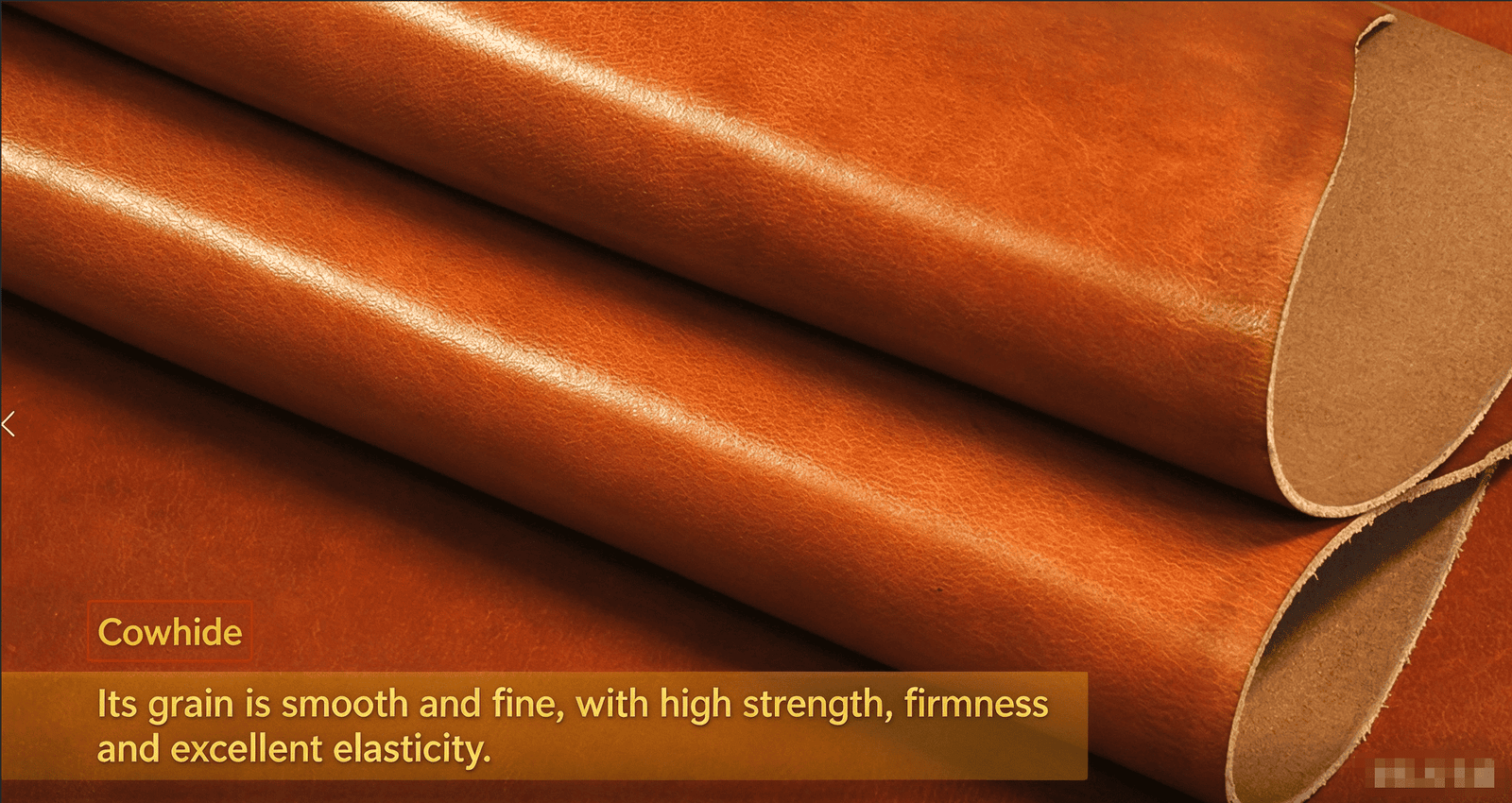
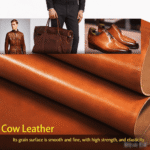
Cow leather is the workhorse of leather goods, dominating everything from casual totes to investment-grade accessories. Calfskin, leather sourced from young cattle, sits at the premium end of cowhide. It offers tight, fine grain, strong tensile strength and wonderful shape retention.
The major advantages of cowhide lie in its balance of sturdiness and flexibility. Bags made from quality cow leather resist scratches, hold their structure and develop beautiful natural patina as you use them. Many well-known silhouettes, including Prada handbags, YSL bags and Coach handbags, heavily utilise different versions of cow leather for their collections. New cowhide items can feel rigid out-of-the-box, but they soften gradually with regular use.
This material suits frequent daily use perfectly. If you are hunting for something you can carry almost every day, cow leather will usually be your most sensible choice among designer bags.
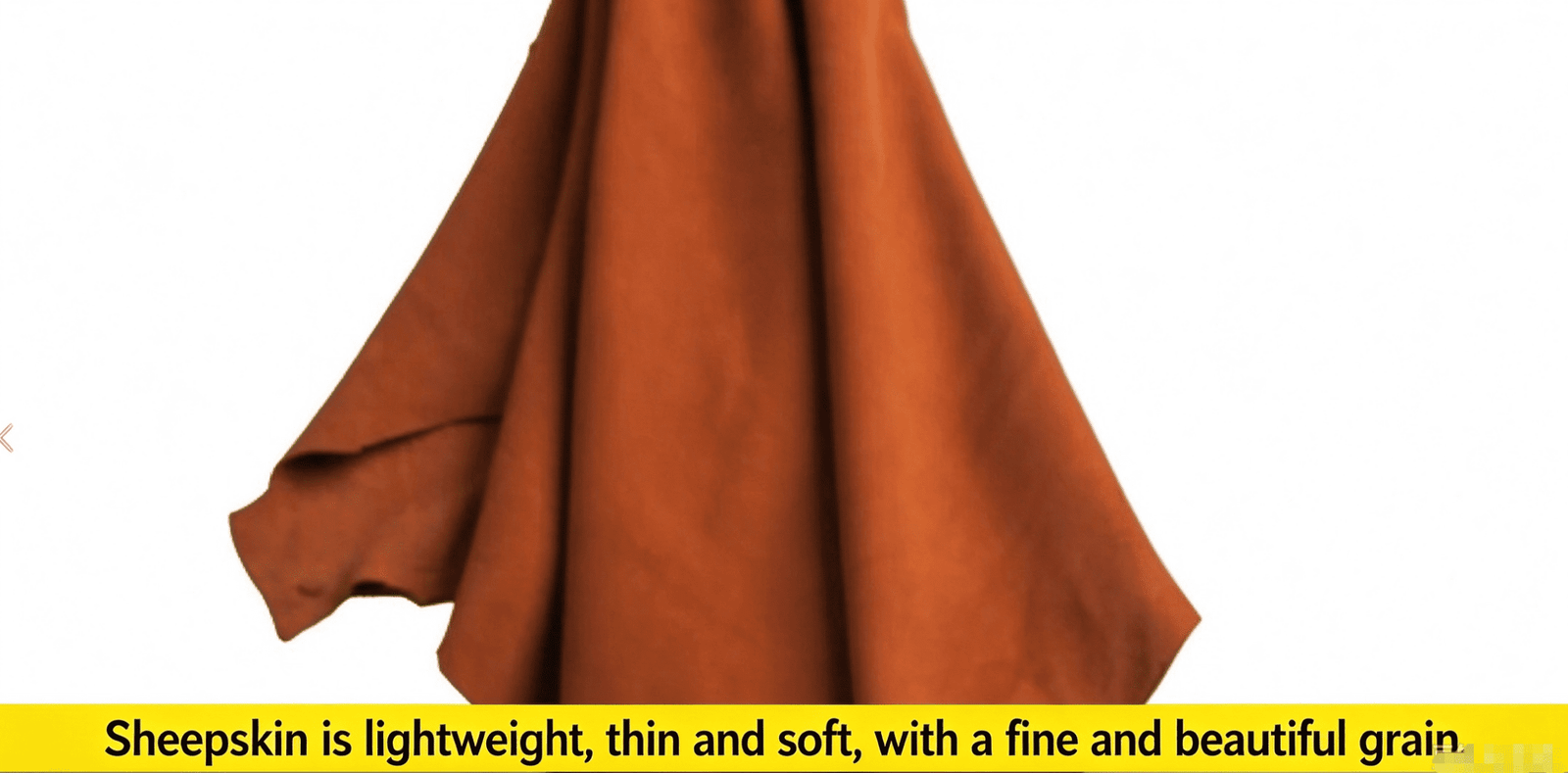
Sheep leather, mostly sheepskin, wins people over with its incredible softness and feather-light weight. The grain is fine and silky to touch, giving finished bags a soft, luxurious drape you cannot easily replicate with cow leather.
On the downside, sheep leather is less scratch-resistant. Sharp objects can leave visible marks, and it wrinkles more readily. That does not make it bad material; it simply means sheep-leather pieces demand gentler care. It shines for evening bags, soft shoulder bags and leather jackets. Many Chanel handbags feature sheep leather options for customers chasing that buttery-soft hand-feel.
Beyond these three mainstream hides, several specialty leathers appear in high-end accessories, though they are less common for everyday purchases:
Pick cow leather if durability and daily performance are top priorities. Choose sheep leather if you prioritise soft, silky touch and do not mind careful handling. Pig leather excels as breathable inner lining rather than outer bag material. If you want further guidance for your next purchase, read How to Choose a Designer Bag to learn more practical shopping insights.



[…] Common Types of Leather: Cowhide vs. Pigskin vs. Sheepskin […]
[…] Common Types of Leather: Cowhide vs. Pigskin vs. Sheepskin […]
[…] Common Types of Leather: Cowhide vs. Pigskin vs. Sheepskin […]