Address
304 North Cardinal
St. Dorchester Center, MA 02124
Work Hours
Monday to Friday: 7AM - 7PM
Weekend: 10AM - 5PM
Address
304 North Cardinal
St. Dorchester Center, MA 02124
Work Hours
Monday to Friday: 7AM - 7PM
Weekend: 10AM - 5PM
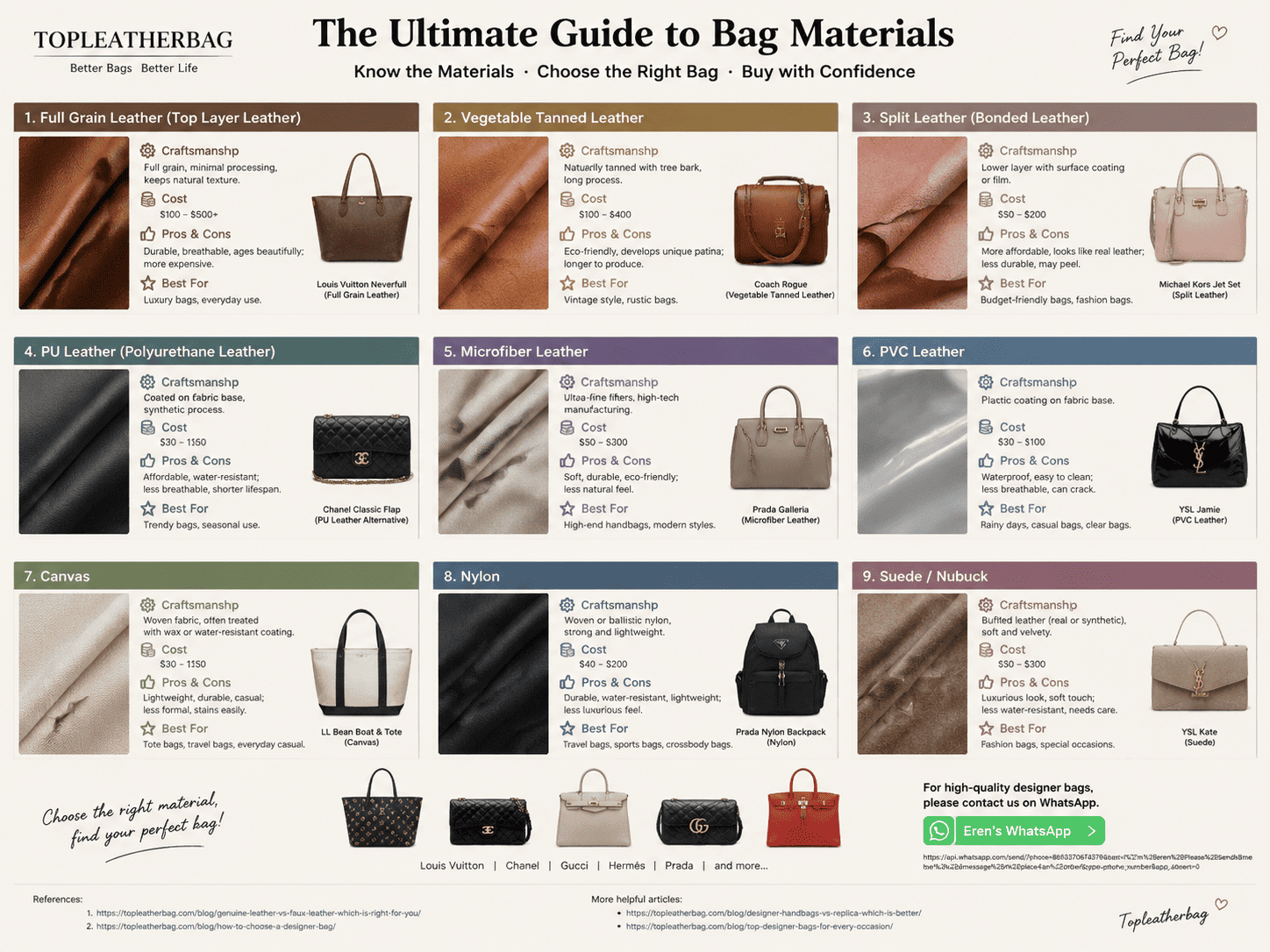
When you shop for a handbag, it is easy to focus on the design, color, logo, and price. But have you ever stopped to think about what the bag is actually made of?
Two bags can have a similar shape and look almost identical in a photograph, yet feel completely different in your hands. One might be made from full-grain cowhide, another from coated split leather, and a third from polyurethane (PU) synthetic leather. They can differ in durability, maintenance, weight, production cost, and how they look after years of use.
That is why understanding bag materials is so useful. Whether you are comparing Designer bags, looking for an everyday tote, or choosing a lightweight travel bag, knowing what goes into the product helps you make a more informed decision.
In this guide, we will explore nine commonly used handbag materials: full-grain and top-grain cowhide, vegetable-tanned leather, split leather, PU leather, microfiber leather, PVC leather, canvas, nylon, and suede. For each material, we will look at its manufacturing process, approximate material cost, advantages, disadvantages, and the types of bags it suits best.
A quick note about cost: All prices in this article are illustrative USD estimates for bulk or trade purchasing of raw materials, not fixed market quotations. Actual prices vary by country, supplier, quality, thickness, finish, order volume, and date. They exclude cutting, sewing, hardware, lining, packaging, labor, shipping, brand premiums, and retail markup. Some suppliers price leather by square foot, while others sell it by hide or square meter.
| Material | Approximate Material Cost | Main Advantage | Main Drawback | Best Use |
|---|---|---|---|---|
| Full-grain or top-grain cowhide | $3–$12+ per sq. ft. | Durability and natural character | Higher cost and maintenance | Premium everyday handbags and structured bags |
| Vegetable-tanned leather | $5–$15+ per sq. ft. | Develops a distinctive patina | Can darken and stain easily | Classic totes, satchels, and leather accessories |
| Split leather with a surface coating | $1–$4 per sq. ft. | Leather backing at a lower price | Coating may crack or peel | Budget fashion bags and structured styles |
| PU synthetic leather | $0.50–$2.50 per sq. ft. | Affordable and versatile | Quality and lifespan vary | Fashion handbags and affordable shoulder bags |
| Microfiber synthetic leather | $1.50–$5 per sq. ft. | Consistent texture and good performance | Quality versions can be expensive | Premium synthetic handbags and crossbody bags |
| PVC synthetic leather | $0.40–$2 per sq. ft. | Low cost and easy cleaning | Can feel stiff and age poorly | Budget totes, utility bags, and rain-resistant designs |
| Canvas | $0.50–$4 per sq. yd. | Casual appearance and versatility | May absorb stains and moisture | Shopping totes, casual bags, and travel bags |
| Nylon | $1–$8 per sq. yd. | Lightweight and abrasion-resistant options | Can look less structured | Backpacks, travel bags, and everyday crossbody bags |
| Suede and suede-like materials | Natural suede: about $3–$10+ per sq. ft.; synthetic versions vary | Soft, rich texture | Stains and water marks can be difficult to remove | Shoulder bags, evening bags, and soft totes |
These ranges are intended for initial comparison, not supplier quotations. In particular, natural leather prices vary considerably by grade and usable yield. The cost of the material that actually ends up in a finished bag can be higher than the purchase price suggests because manufacturers must allow for cutting waste and defective areas.
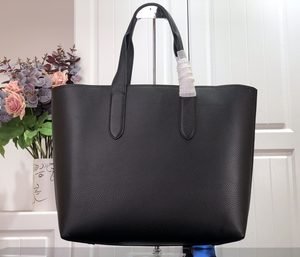
Representative bag style: A classic structured leather tote.
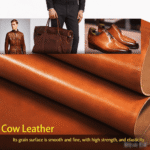
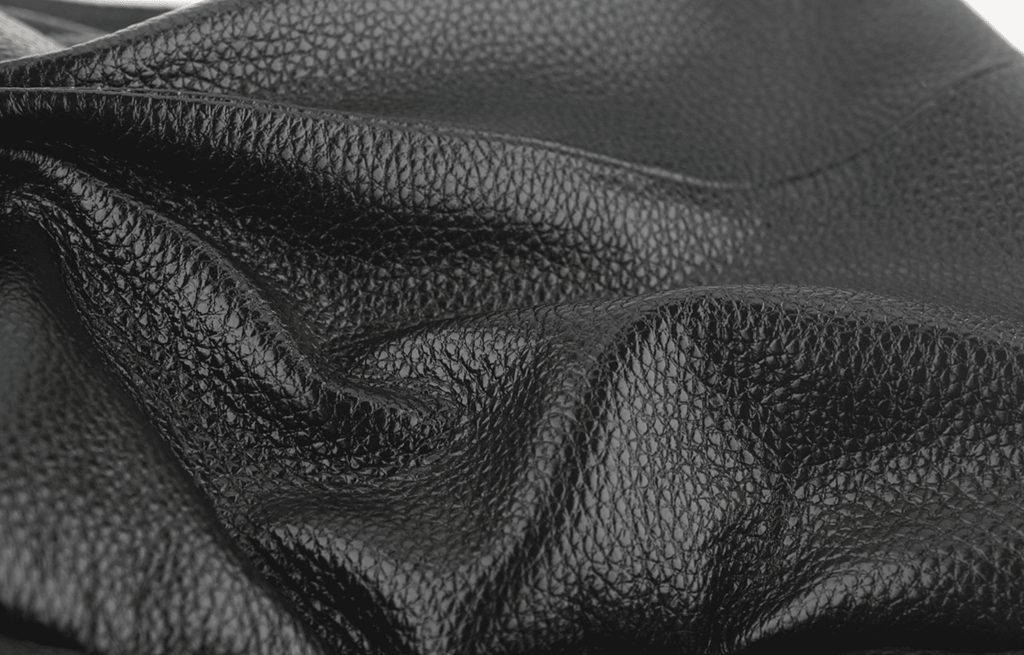
Cowhide is first preserved and prepared, then tanned to make it stable and suitable for leather goods. After tanning, the hide may be dyed, conditioned, and finished.
Full-grain leather retains the natural grain surface without sanding away that surface to correct its appearance. Top-grain leather also comes from the upper portion of the hide, but its surface may be sanded, buffed, or otherwise corrected. Both can be good materials; neither term alone guarantees the quality of the finished handbag.
Approximately $3–$12+ per square foot. Premium hides, carefully selected grain, specialty finishes, and high-quality calfskin can cost substantially more.
Full-grain and top-grain cowhide are suitable for structured totes, work bags, satchels, classic shoulder bags, and everyday leather handbags. If you want one versatile leather bag that can handle frequent use, a well-made cowhide design is often a sensible starting point.
Buying tip: Ask whether the bag uses full-grain, corrected-grain, or another type of top-grain leather. Also check the stitching, lining, hardware, edge finishing, and handle attachment. A good material cannot compensate for poor construction.
Representative bag style: A natural leather satchel or heritage-style tote.

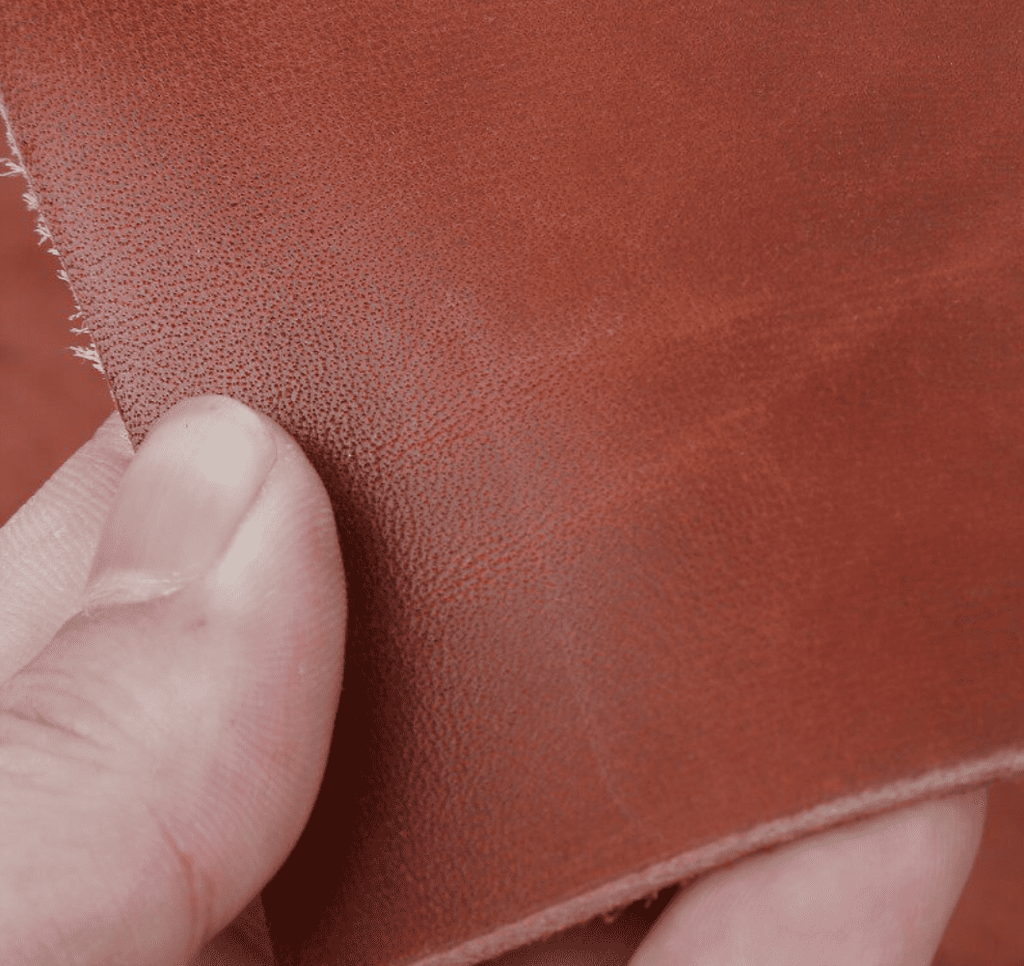
Vegetable-tanned leather is not a separate animal hide or a synonym for full-grain leather. It is leather tanned using tannins derived from plant materials, such as tree bark and other botanical sources.
The hide is prepared and treated with tanning agents over a process that can take days or weeks, depending on the method and product. The leather may then be dyed, oiled, waxed, or finished.
Vegetable tanning is different from chrome tanning, and each process can produce leather with different characteristics. It is not automatically more sustainable in every situation; the environmental impact depends on the chemicals, water use, energy, wastewater treatment, and sourcing practices involved.
Approximately $5–$15+ per square foot. Specialty leather, thick straps, premium hides, and carefully controlled tanning can raise the cost.
Vegetable-tanned leather is a strong choice for heritage-style satchels, structured totes, belts, wallets, and bags designed to develop character with age. It may not be the best choice for someone who wants a pale bag to look exactly the same for years.
Buying tip: Ask whether the leather has a protective finish. Two vegetable-tanned bags can age quite differently depending on their surface treatment.
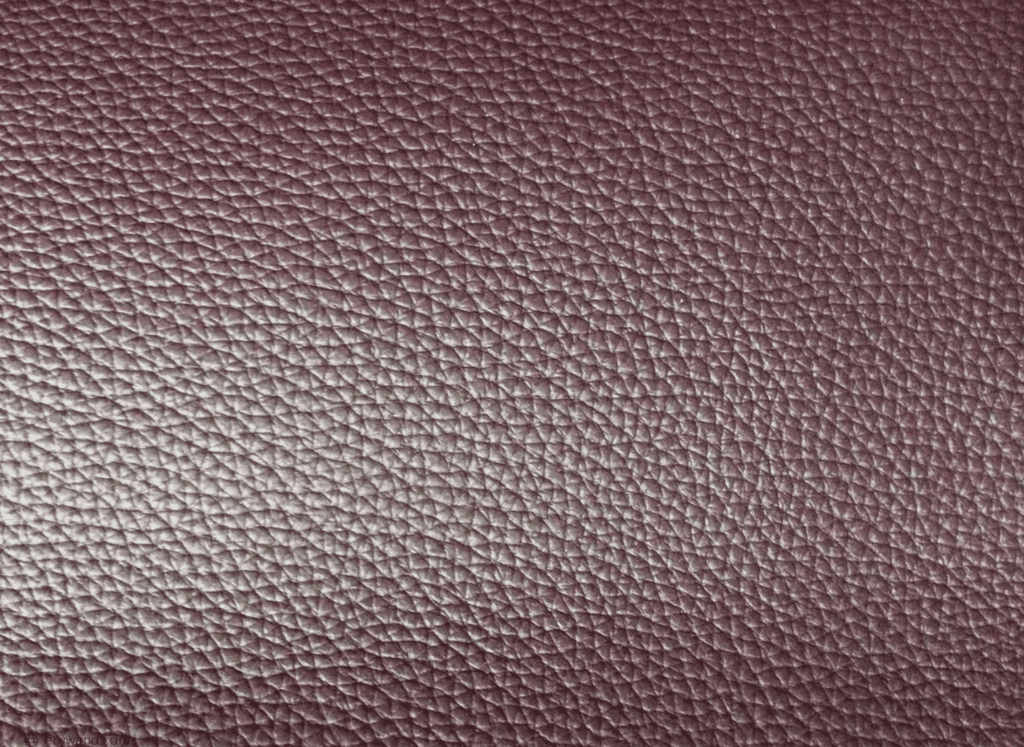
Representative bag style: An affordable structured flap bag.

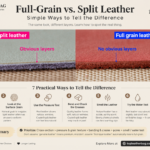
After a hide is split into layers, the lower portion is called split leather. Because it does not retain the original grain surface, manufacturers may apply pigments, coatings, embossing, or other finishes to create a smooth or textured exterior.
The term “bonded leather” is different: bonded leather generally contains leather fibers or scraps combined with binders. It should not be used as a synonym for all split leather.
A coated split-leather product still contains real leather, but its surface may rely heavily on a synthetic finish. The composition and thickness of that finish have a major effect on how the bag wears.
Approximately $1–$4 per square foot. The range depends on the quality of the split, coating, embossing, and finishing.
Coated split leather can suit budget-conscious fashion handbags, structured shoulder bags, and occasional-use bags. It may be a reasonable option when appearance and price matter more than long-term patina.
Buying tip: Ask the seller to identify the material clearly. “Genuine leather” alone does not tell you whether a product uses full-grain leather, corrected grain, split leather, or bonded leather.
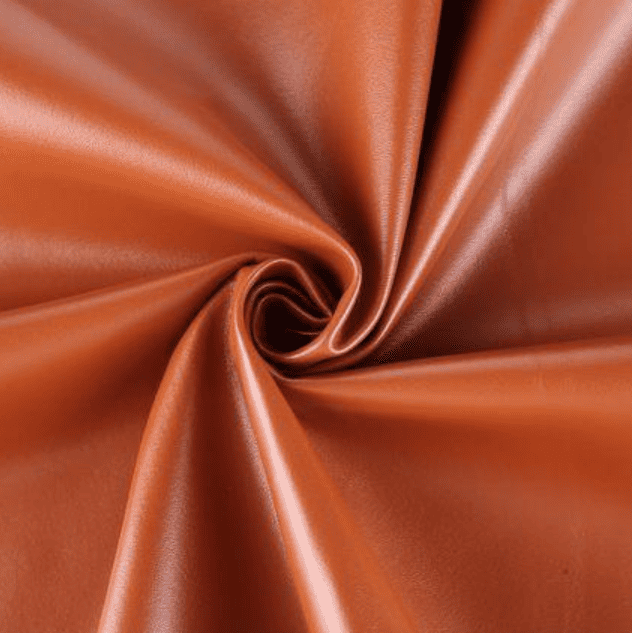
Representative bag style: A minimalist fashion shoulder bag.
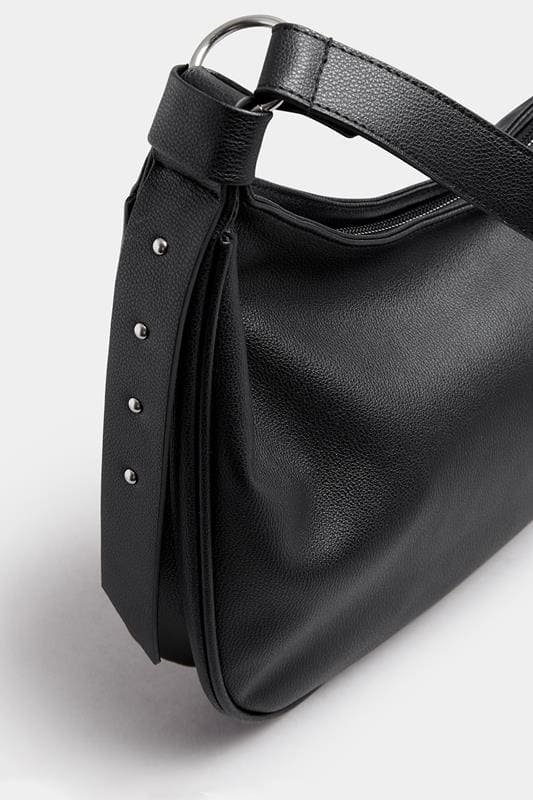
PU leather is a synthetic material. Manufacturers typically apply a polyurethane layer to a textile backing, then create the desired color, texture, and surface finish. The exact construction varies by product.
Unlike natural leather, PU does not come from an animal hide. Modern versions can reproduce many leather-like textures, making them useful for fashion designs that require a consistent appearance.
Approximately $0.50–$2.50 per square foot. Premium PU materials, special finishes, and more complex backing constructions can cost more.
PU is suitable for trend-led handbags, affordable crossbody bags, colorful evening bags, and designs where a consistent appearance is important. It can work well for occasional use, provided the material and construction are appropriate for the price.
Buying tip: Do not assume that all PU leather is low quality, or that all PU leather is durable. Ask about the backing, coating, abrasion performance, and any available material test results.
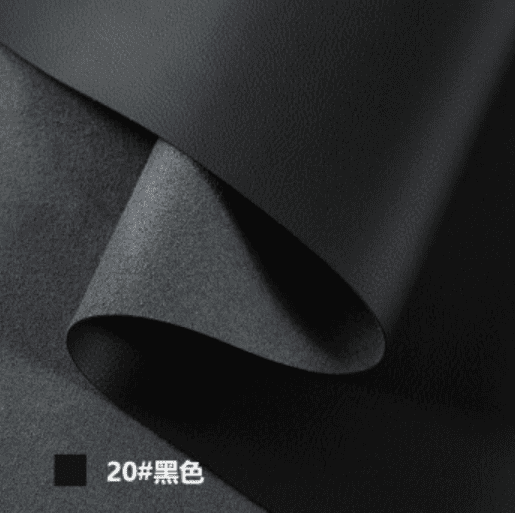
Representative bag style: A clean-lined premium synthetic crossbody bag.
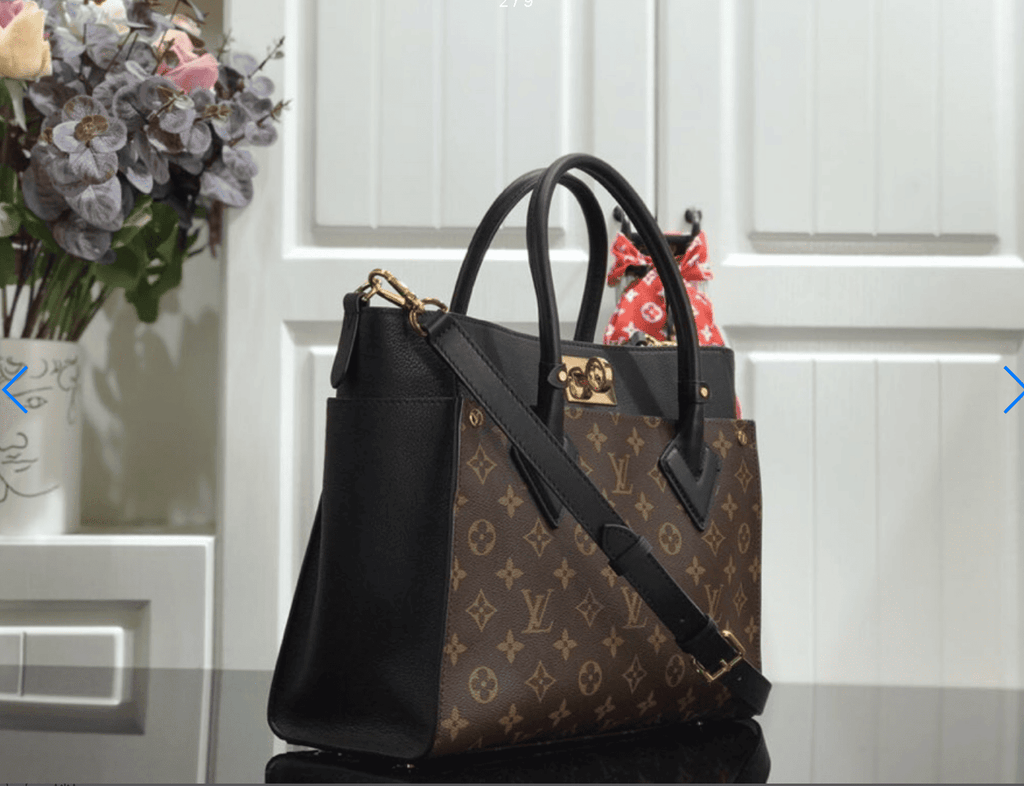
Microfiber synthetic leather generally uses a nonwoven or specially engineered microfiber base combined with polymer materials, often polyurethane. The base is designed to create a dense, interconnected structure, and the surface is finished to achieve the desired appearance and performance.
It is not the same as ordinary PU leather. Some microfiber constructions offer better mechanical performance than basic synthetic leather, but the term alone does not guarantee a specific level of quality.
Approximately $1.50–$5 per square foot. High-performance or specialty products may cost more.
Microfiber synthetic leather can be suitable for premium-looking fashion handbags, structured crossbody bags, work bags, and products that need a consistent finish. It is worth considering when a shopper wants a leather-like appearance but does not specifically require animal leather.
Buying tip: Ask for the manufacturer’s technical specifications rather than choosing solely on the word “microfiber.”
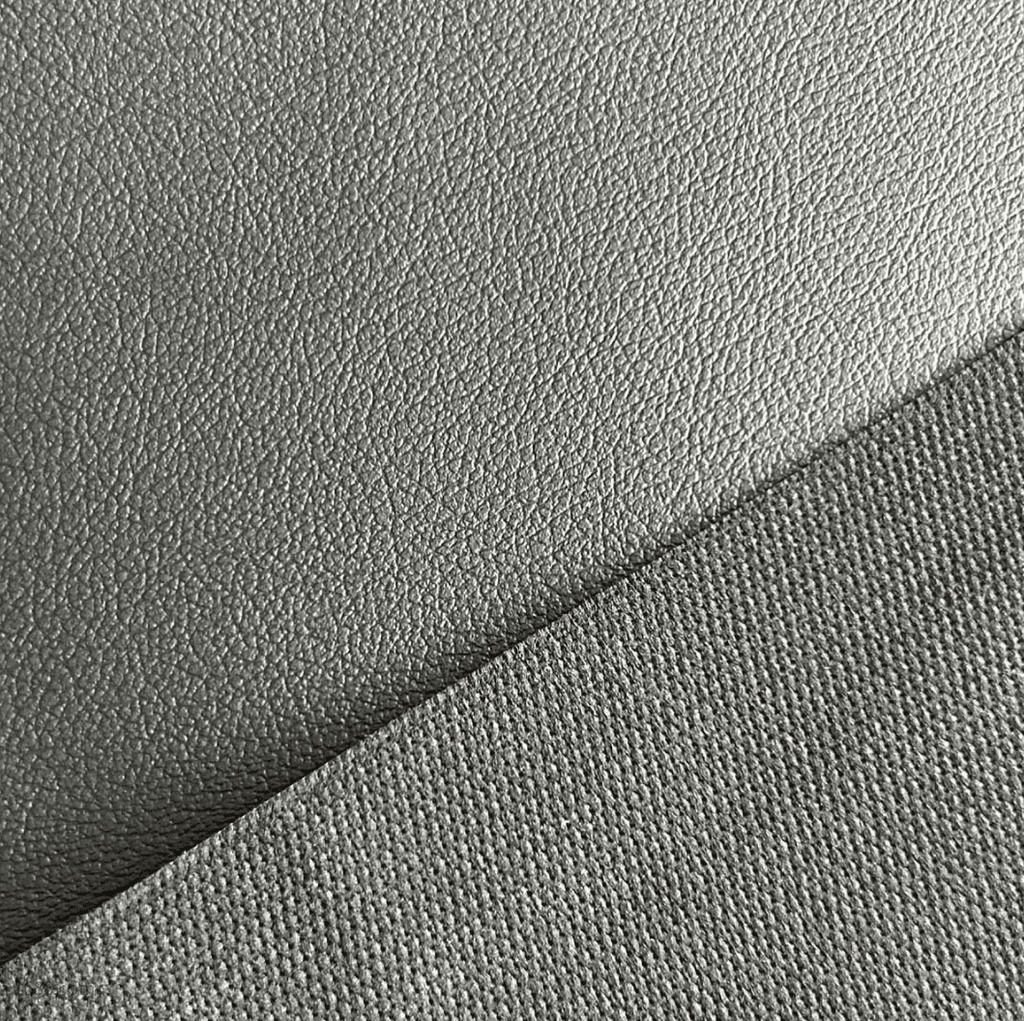
Representative bag style: A budget utility tote or wipe-clean shopping bag.
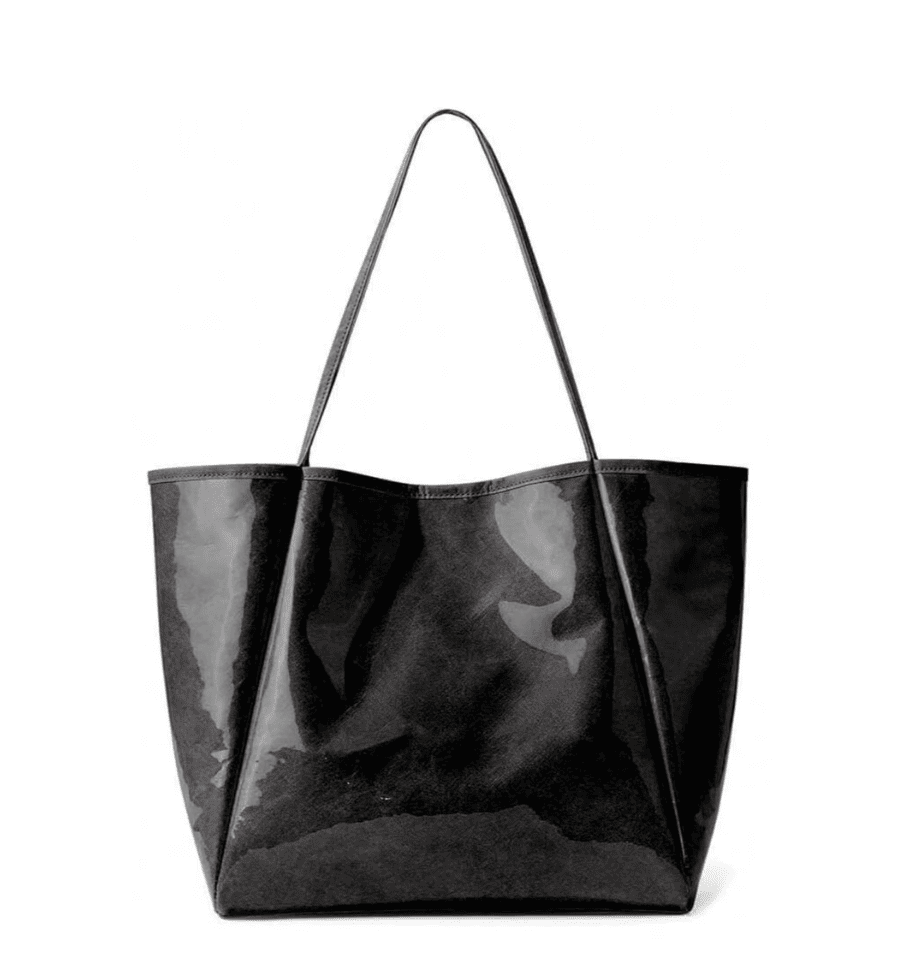
PVC stands for polyvinyl chloride. To manufacture PVC synthetic leather, producers typically apply a PVC-based coating to a textile backing. Plasticizers and other additives may be used to achieve the required flexibility, durability, and finish.
Its composition can vary considerably. Some PVC materials are relatively stiff, while others are flexible. The quality of the backing and coating influences how the finished bag performs.
Approximately $0.40–$2 per square foot. Decorative finishes, special formulations, and thicker constructions can increase the price.
PVC can be suitable for budget shopping totes, promotional bags, utility bags, and products where a wipe-clean surface is useful. It is usually less appealing for shoppers who want the natural hand-feel and aging characteristics of premium leather.
Buying tip: Check flexibility, stitching, and coating adhesion. A bag that looks good when new may not perform well if its surface coating is poorly bonded.
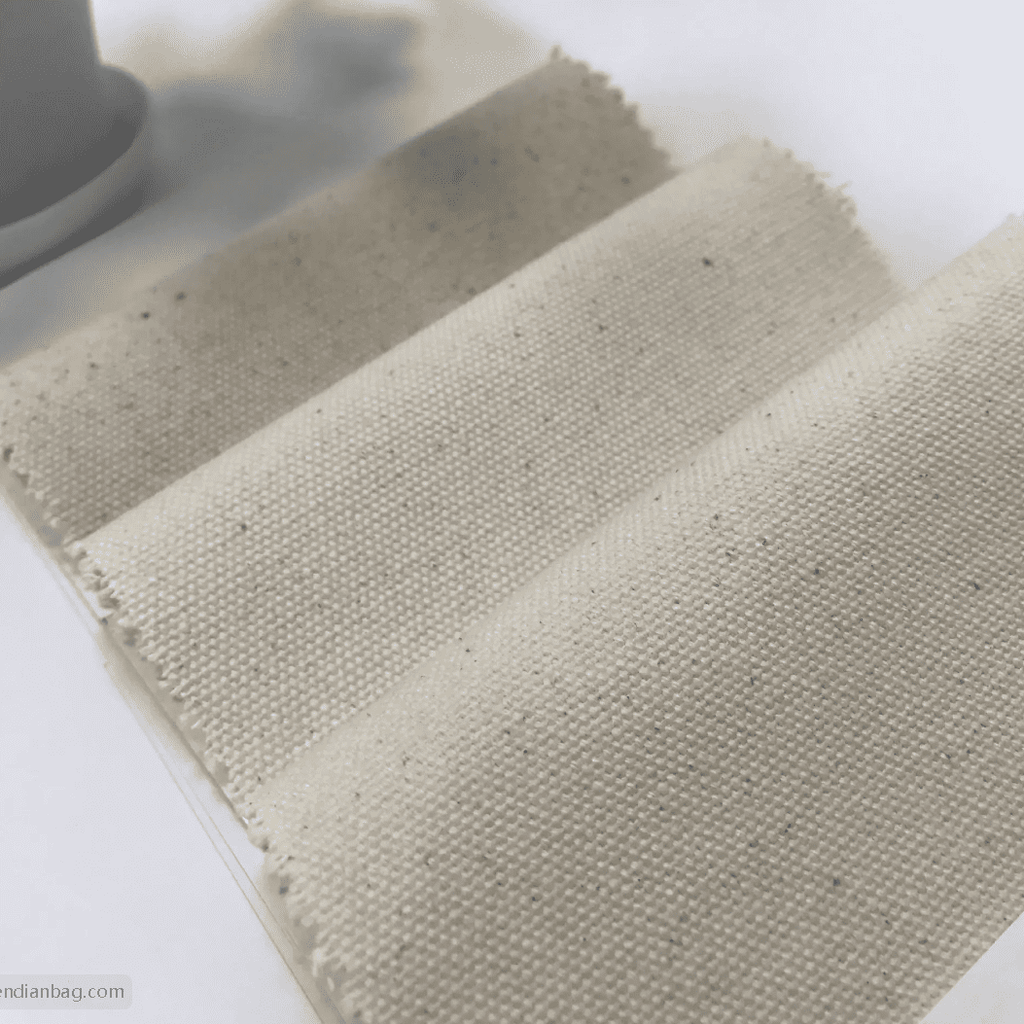
Representative bag style: A classic canvas shopping tote.
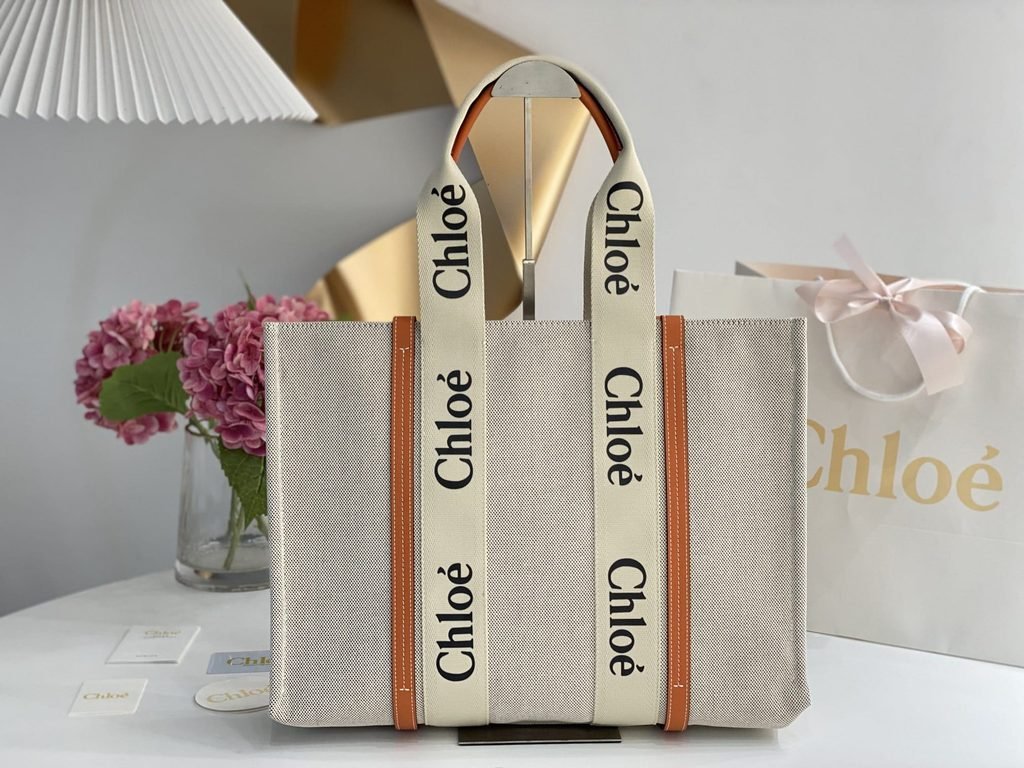
Canvas is a strong woven fabric, commonly made from cotton or other fibers. The yarns are woven together, then the fabric may be dyed, printed, coated, or treated to improve its appearance or performance.
Waxed canvas receives an additional wax treatment that can improve water repellency and create a distinctive aged look. However, waxed canvas is not automatically waterproof, and the treatment may need to be renewed.
Approximately $0.50–$4 per square yard for many basic canvas fabrics. Heavy-duty cotton, specialty weaves, waxed finishes, and branded textiles may cost substantially more.
Canvas is a great choice for shopping totes, casual shoulder bags, beach bags, backpacks, and everyday carryalls. It is particularly useful when you want a relaxed look without the weight or maintenance of a leather bag.
Buying tip: Look at the fabric weight, lining, reinforcement at the handles, and the strength of the bottom panel. These construction details matter as much as the canvas itself.
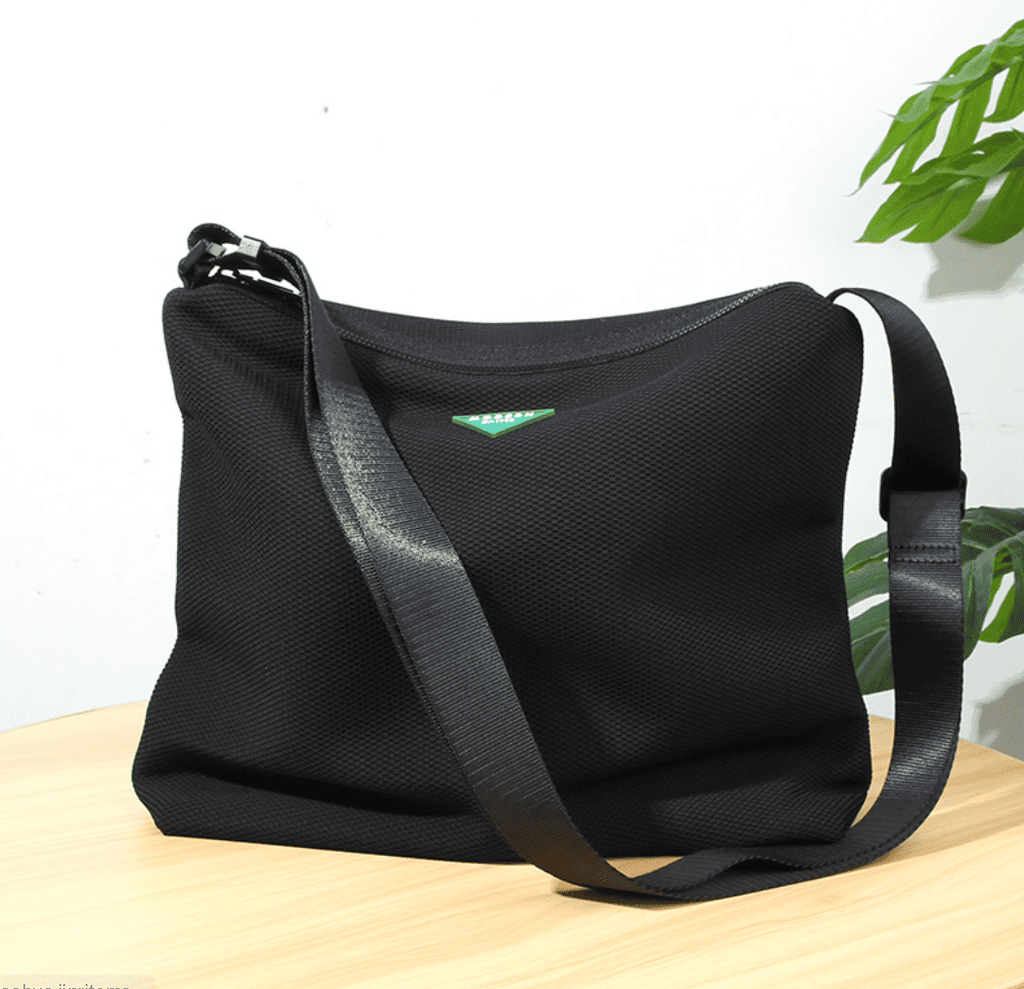
Representative bag style: A practical nylon crossbody or travel backpack.
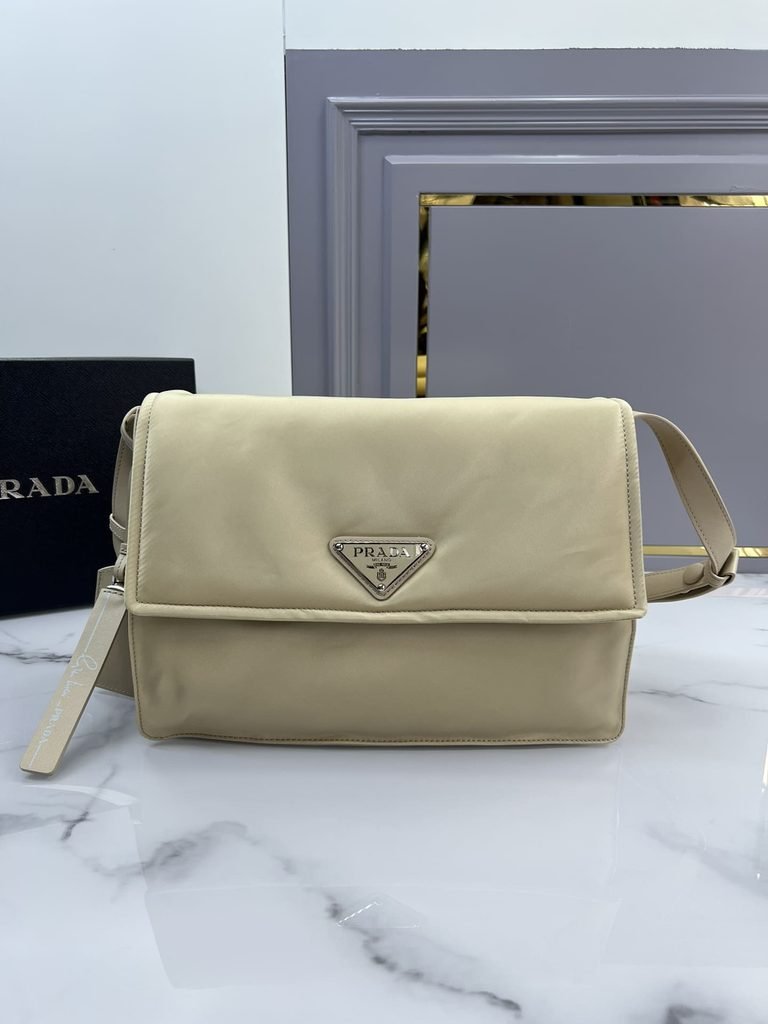
Nylon is a synthetic fiber that is spun into yarn and woven or knitted into fabric. Manufacturers select different yarn thicknesses, weave structures, and finishes to create materials with different weights and performance characteristics.
CORDURA is a branded family of fabrics, not a synonym for every nylon fabric. Certain CORDURA products use high-tenacity nylon 6,6 yarns and are designed for abrasion resistance and tear strength. Ballistic nylon is another term associated with dense, durable woven nylon constructions.
Some nylon fabrics receive coatings or laminations to improve water repellency or other performance characteristics.
Approximately $1–$8 per square yard for a broad range of ordinary and performance nylon fabrics. Specialty high-tenacity, branded, coated, or technical fabrics may cost more.
Nylon is particularly suitable for travel bags, backpacks, commuter bags, lightweight totes, and designer crossbody bags where low weight and practical organization matter.
Buying tip: Do not judge nylon only by how thick it feels. Weave quality, yarn strength, seam construction, zipper quality, and reinforcement determine how well a bag handles daily use.

Representative bag style: A soft suede shoulder bag or hobo bag.
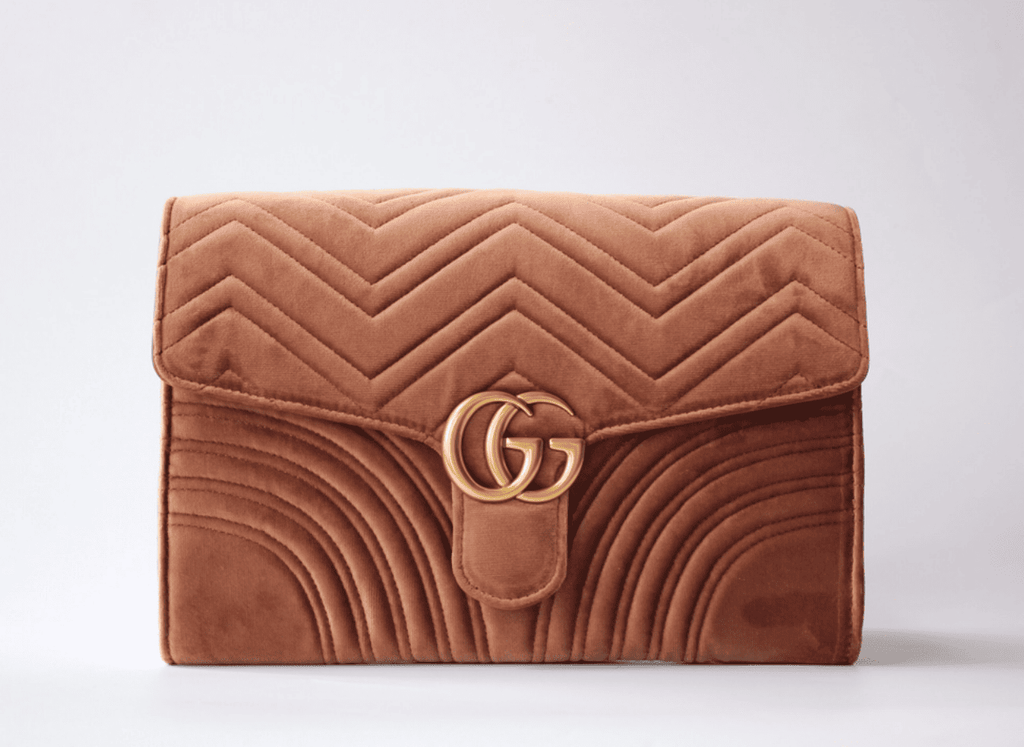
Natural suede is produced from leather that has been processed to create a soft, napped surface. It is often made from the flesh side of a hide or from split leather. Nubuck is different: it is generally made by lightly sanding the grain side of leather to produce a fine, velvety texture.
There are also synthetic suede-like materials made from textile fibers. These can imitate the look of natural suede, but their composition and performance vary.
Natural suede: approximately $3–$10+ per square foot. Premium hides and specialty finishes may cost more. Synthetic suede prices depend on the fiber composition, density, and finishing process.
Suede is well suited to soft shoulder bags, hobo bags, evening bags, and seasonal designs. It is especially attractive when texture is an important part of the look.
Buying tip: Check whether the product is natural suede, nubuck, or synthetic suede. They may look similar in a photograph, but their care requirements and material properties differ.
Material price is only one part of the total manufacturing cost. A handbag made from inexpensive fabric can still be costly to manufacture if it has a complex shape, many compartments, detailed stitching, or expensive hardware.
Likewise, a leather bag may use a relatively small amount of material but require careful cutting to avoid natural defects and preserve a consistent appearance.
Here are the main factors that influence the cost of a finished bag:
For this reason, it is misleading to estimate a bag’s retail price by multiplying its raw material cost by a simple fixed number. The actual cost structure depends on the product and the business model.
Consider well-made cowhide if you want a structured, classic bag. If low weight and easy organization are more important, a well-constructed nylon bag may be more practical.
Look at full-grain or top-grain cowhide. Compare the leather finish, thickness, stitching, edge treatment, and hardware instead of relying on the words “genuine leather” alone.
Vegetable-tanned leather is worth considering if you appreciate natural color changes and patina. It may not suit you if you prefer a surface that remains visually uniform.
PU or coated split leather may fit a tighter budget. Compare the material description and construction carefully, especially if you intend to carry the bag every day.
Nylon and sturdy canvas are often sensible choices because they can offer low weight, useful pockets, and practical everyday performance.
Suede can be beautiful, especially for shoulder bags and relaxed silhouettes. Be prepared to protect it from moisture and stains.
A coated synthetic material may be convenient, but the surface alone does not guarantee that the entire bag is waterproof. Check the seams, closures, and manufacturer’s care instructions.
Product photographs can make different materials look remarkably similar. Before buying, try to find answers to these questions:
If you want to learn more about leather terminology, read our guide Leather, Genuine Leather, Full-Grain or Split Leather? How to Buy a Bag Without Getting Fooled.
You may also find our article 7 Common Ways to Tell Real Leather from Faux Leather — But How Reliable Are They? useful when comparing materials online.
There is no single material that is perfect for every handbag.
Full-grain cowhide offers natural character and can provide excellent durability. Vegetable-tanned leather appeals to people who appreciate patina. Coated split leather and synthetic materials can offer attractive finishes at different price points. Canvas and nylon are practical choices for casual use and travel, while suede adds a soft, distinctive texture.
The key is to match the material to the way you actually plan to use the bag.
Before making a decision, look beyond the color and silhouette. Consider the material, construction, hardware, care requirements, and the seller’s ability to explain what you are buying.
Understanding these details can help you compare products more confidently, avoid misleading descriptions, and choose a bag that fits your budget and lifestyle.
If you are looking for a well-made designer-style bag and want to ask about available styles, materials, or product details, you can contact Eren directly through WhatsApp.
Before placing an order, ask for clear information about the material, construction, condition, and applicable product details. For online purchases, request actual photographs of the specific item and review the seller’s shipping, payment, and return terms.
Contact Eren: Eren’s WhatsApp
Material prices in this article are approximate educational estimates, not supplier quotations. Always confirm the material specification and current pricing with the manufacturer or supplier before making a purchasing decision.